Grassroots Internships: next steps and working guide
Version 1.0
Grassroots Internships back small youth-led teams to run a real community experiment using the Grassroots Playbook. This guide explains what happens after selection, what every team does week by week, and what the final submission contains. Teams that applied but were not selected can follow the open track in the last section. The 2026 round has closed; the next round of applications is in December 2026.
Kubair Shirazee and Team Numu run the programme. Read this guide with the Programme Terms & Integrity Conditions and the scoring guide.
How every team works
These three practices need no software. Selected teams use all three. Open-track teams are encouraged to.
- Backlog. A backlog is simply your to-do list: everything the experiment needs, in priority order. Start it before week 1 and re-order it at each retrospective.
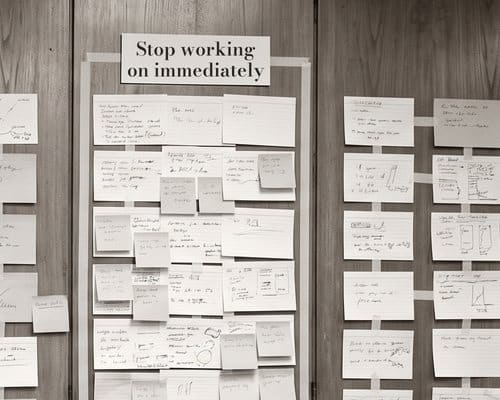
- Kanban board. Three columns: To Do, Doing, Done, with one item per person in Doing. A weekly photo of the board is useful evidence. See setting up your first kanban board.
- Weekly retrospective. A 30-minute session with the whole team: what went well, what did not, what to try next. Agree one improvement each week. See facilitating retrospectives.
A team agreement in week 0 and the storytelling guide are recommended, not required.
Document as you go
- Post at least weekly on LinkedIn or Instagram and tag the programme accounts.
- Capture photos, video or notes, always with participants’ permission.
- Record numbers such as attendance and participant responses when they happen, not afterwards.
- Before you report a result, run the one-participant check: work it out with and without the participant who moved it most, and print both numbers.
Ground rules
- Consent first. Explain the purpose, ask permission and keep participation voluntary. Ask for separate consent for photos and recordings.
- Safety over schedule. Work in pairs or groups, in daylight, and keep someone nearby informed.
- Honesty over impressiveness. A failed experiment that teaches something is worth more than one that looks good and says nothing.
Your work is judged against the scoring guide: it rewards honest claims, method improvement, consent in practice, transferability, reach beyond people like us, and what the team can now do.
Your timeline
- Before the start. Confirm your start date, create the team WhatsApp group, re-read the framework together, and settle venues, schedule and how you will handle consent.
- Weeks 1 to 4. Run the experiment, document as you go, and send a short check-in every Friday.
- Final week. Compile and submit your final submission pack.
Your Friday check-in
Send four short lines on WhatsApp. It should take about five minutes.
- What happened this week.
- What we learnt.
- What is next.
- Where we are stuck, if anywhere.
Final submission
Every team ends with one submission pack. It contains four things:
- The story: what you did, where and with whom.
- The change: what changed for participants, including what failed.
- The evidence: photos, video, journal extracts and links to your posts.
- The human bit: one moment or person that shows why it mattered.
A written report with links is fine. Truth and evidence matter more than polish. The submission date, stipend payment and removal criteria are set per cohort in the Programme Terms & Integrity Conditions, and the pack is scored against the scoring guide.
Cohorts
Cohort 1: Summer 2026 selected teams
Three teams were selected: Bangata Knowledge Connectors (Arusha, Tanzania), Beyond Differences (Karachi, Pakistan) and Scene Makers (Karachi, Pakistan). Follow the guide above. Questions, blockers or something unexpected: contact Kubair any time at [email protected] or in your team’s WhatsApp group. There are no silly questions, only silent teams.
Later cohorts are added here as separate sections, each with its own start date, submission date and contact details.
The open track
If you applied and were not selected, you can still run an experiment. The Grassroots Impact Challenge is the open track: the same steps, no funding and no required check-ins, with your public posts counting as evidence if you apply again.
Frequently asked questions
When is the next round? The next round of applications is in December 2026.
Can I join the open track if I was not selected? Yes. You do not need permission. Run your experiment and post openly.
Does the open track pay a stipend? No. Only selected teams are funded, under the Programme Terms & Integrity Conditions.
What changed in version 1.0: first combined guide, replacing the separate next-steps and open-track pages.
Kubair Shirazee & Team Numu